Zone 9, In Short
Both steep-slope tile and flat/low-slope sections need a cool-roof-rated product on a Glendale reroof. Check the CRRC directory before ordering material.
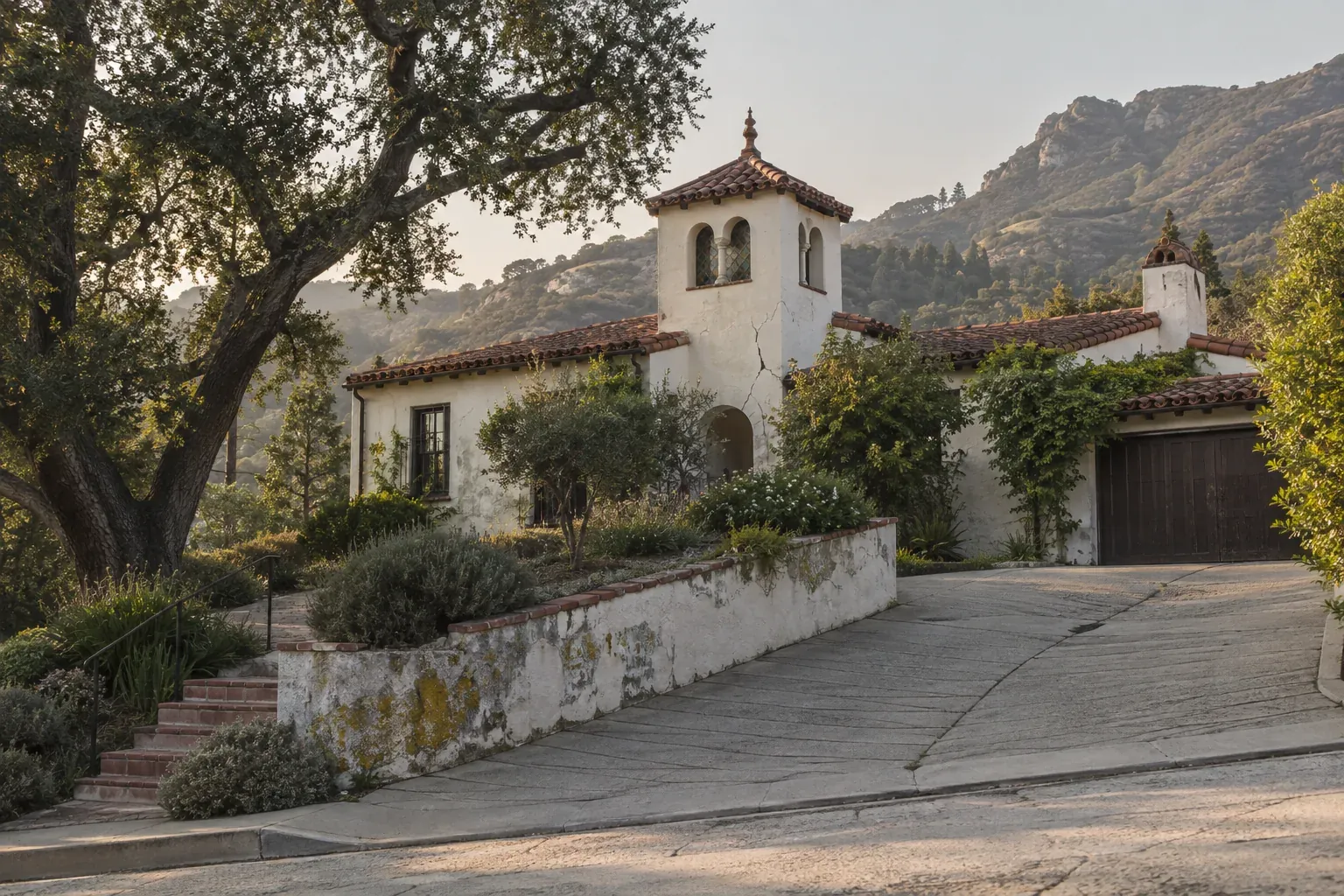
Glendale runs its own permit office and its own electric utility, which changes both who signs off on your reroof and whether the LADWP rebate applies, on top of real fire exposure along the Verdugo Mountains.
What's going on with your Glendale roof?
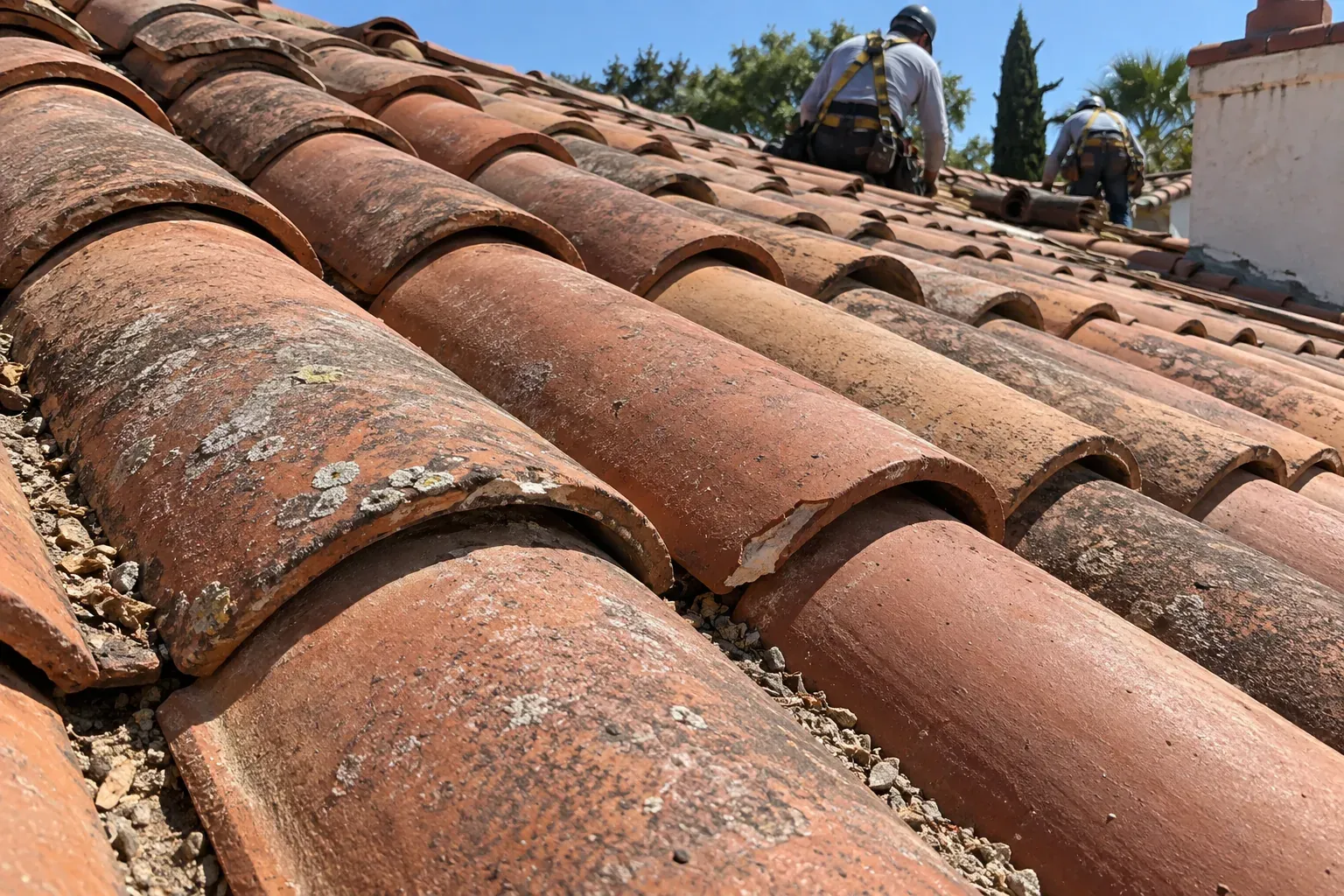
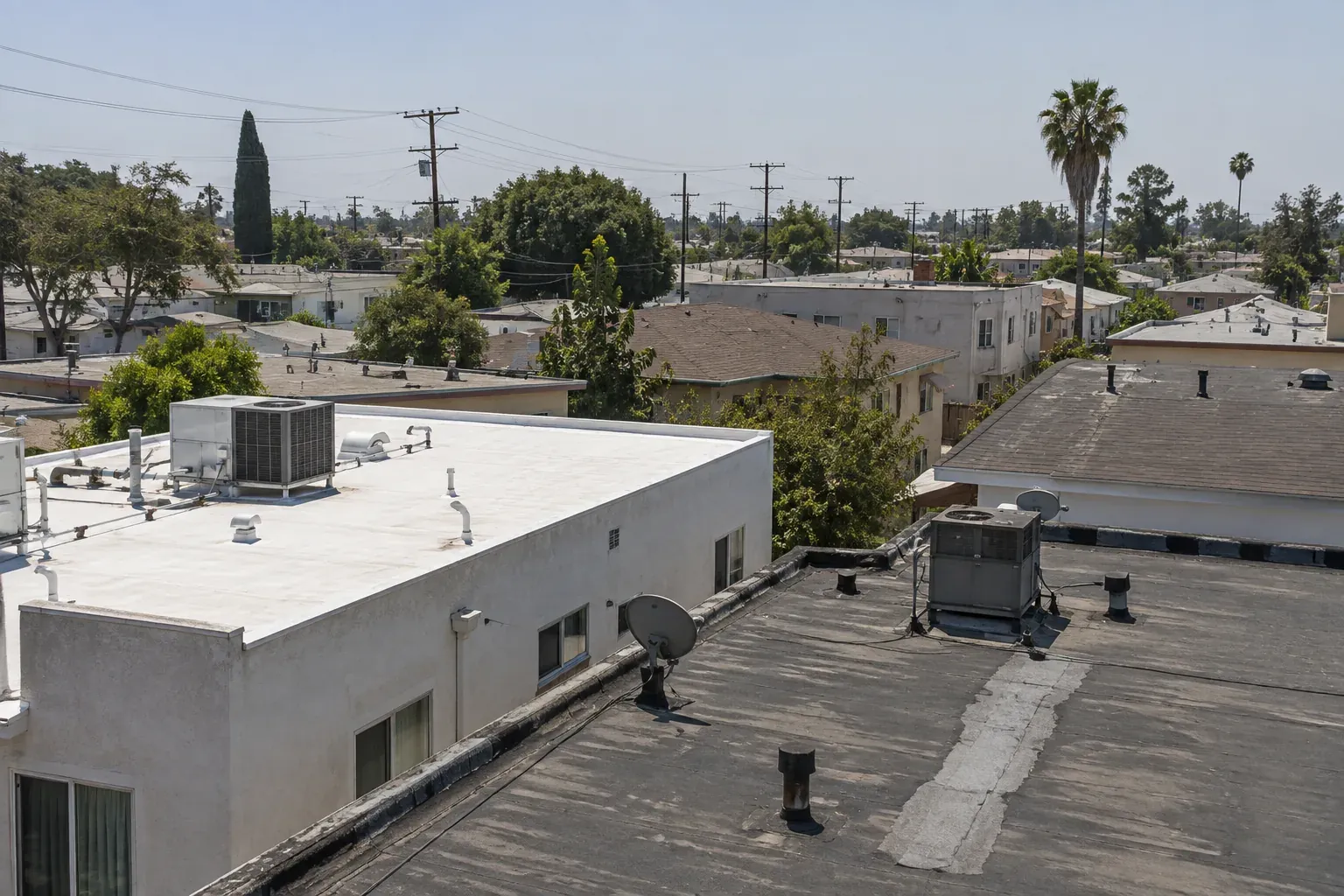
Glendale's zips, 91201 through 91208 and 91214, all fall in Title 24 Climate Zone 9. A steep-slope tile reroof, the common case on Glendale's older Mediterranean stock, falls under the state's cool-roof rule for zones 4 and 8–15. The separate low-slope rule, covering flat roofs and additions, applies here too.
Both steep-slope tile and flat/low-slope sections need a cool-roof-rated product on a Glendale reroof. Check the CRRC directory before ordering material.
Zone by zip: SoCalREN Climate Zone Directory (CEC-sourced). Cool-roof rule: Cool Roof Rating Council, California Title 24 summary (2025 Energy Code; reroof values unchanged from 2022).
Glendale is its own incorporated city, so LADBS has no authority here. Reroofs, whether a full tear-off, a material change, or added roof area, need a permit from Glendale's Building and Safety Division, part of the Community Development Department's Permit Services Center. Applications are filed through the city's own Glendale Permits online portal, a separate system from LADBS's PermitLA. Glendale also runs its own historic-preservation program, separate from the LA City HPOZ system. If your property might be covered, ask the city's planning division whether it adds a design-review step.
Glendale's hillside neighborhoods, which sit on multiple sides of the city near the Verdugo Mountains, are officially inside California's Very High Fire Hazard Severity Zone under CAL FIRE's Phase 4 mapping rollout. The specific concern cited for Glendale is wind-driven embers off the Verdugo Mountains reaching hillside roofs, rather than direct flame contact. Flatter parts of the city carry less of that exposure.
A property inside a VHFHSZ needs a Class A fire-rated roof assembly, tested to ASTM E108 or UL 790, on new construction and major work. If you're in one of Glendale's hillside neighborhoods, check your parcel's current status at the state's FHSZ viewer or Glendale's own fire hazard page before choosing a replacement material.
Fire hazard zone status: City of Glendale Fire Department. Class A requirement: CBC Chapter 7A / CRC §R337.
The LADWP Cool Roof Rebate is a City of Los Angeles program, and it doesn't apply in Glendale. Glendale runs its own city-owned utility, Glendale Water and Power (GWP), which lists cool roofs as an eligible measure under its GoGreen Financing program. That's financing for the work, not a direct per-square-foot cash rebate like LADWP's Consumer Rebate Program, so budget accordingly if you were expecting the LA-style rebate amount. Check GWP's residential programs page directly for current terms before counting on a specific dollar figure.
LADWP's rebate doesn't reach Glendale. GWP offers cool roofs as an eligible measure under financing, not a flat cash rebate.
Mediterranean-style homes from the streetcar-suburb era, roughly the early 1900s through the 1940s, often have clay or concrete tile roofing. That housing wave shaped Glendale's older residential streets.
Flat roofing on the apartment and condo buildings that replaced a wave of south-Glendale single-family homes in the 1980s, where a property manager or HOA usually makes the repair-versus-restore call.
Low-slope commercial roofing on the mixed-use buildings that have gone up downtown since the 2000s, alongside older commercial landmarks such as Hotel Glendale (1925) and City Hall (1942).
Glendale's hillside Verdugo Mountain neighborhoods combine the fire-hardening material requirements above with steep, sometimes narrow streets that limit where a crew can stage tile or equipment, worth factoring into any hillside quote. LA's wet season runs roughly November through April, wettest in February, so scheduling a Glendale reroof between May and October avoids weather delays on either the hillside or flatter parts of the city.
Pasadena lies to the east and Eagle Rock to the south. For the rest of the region, start at Roofing Los Angeles.
Glendale's historic-preservation program is the city's own, separate from LA City's HPOZ system, and its landmarks include Hotel Glendale (1925), the Main Post Office (1934) and City Hall (1942). Whether a specific property is subject to review is a question for Glendale's planning division.
Glendale's own Building and Safety Division, part of the city's Community Development Department, not LADBS. Reroofs go through the Permit Services Center, and applications are filed through the Glendale Permits online portal rather than LADBS's PermitLA system.
No. Glendale isn't LADWP territory, so its Consumer Rebate Program doesn't apply here. Glendale is served by its own utility, Glendale Water and Power, which lists cool roofs as an eligible measure under its GoGreen Financing program rather than a direct per-square-foot cash rebate like LADWP's.
Glendale's hillside neighborhoods near the Verdugo Mountains are officially inside California's Very High Fire Hazard Severity Zone, with wind-driven ember risk cited as the main exposure. Flatter parts of the city carry less exposure. Check your specific address at the state's FHSZ viewer or Glendale's own fire hazard page.
Glendale runs its own historic-preservation program, separate from LA City's HPOZ system. If your property is covered, the city's design-review process for a reroof applies, so confirm the specifics with Glendale's planning division before assuming either way.
Mediterranean-style homes from the streetcar-suburb era, early 1900s through the 1940s, often have clay or concrete tile. Low-slope roofs cover the apartment and condo buildings that replaced a wave of south-Glendale single-family homes in the 1980s, and downtown's mixed-use buildings have flat commercial roofs.
It can. The hillside Verdugo Mountain neighborhoods combine fire-hardening material requirements with steep, sometimes narrow streets that limit staging space, both worth discussing with a contractor before pricing the job.
Tell us whether you're in the hills or the flats, the roof type if you know it, and what you're seeing.