Zone 9, In Short
Steep-slope tile or shingle and flat/low-slope sections both fall under the cool-roof rule here. Check the CRRC Rated Roof Products Directory before ordering material.
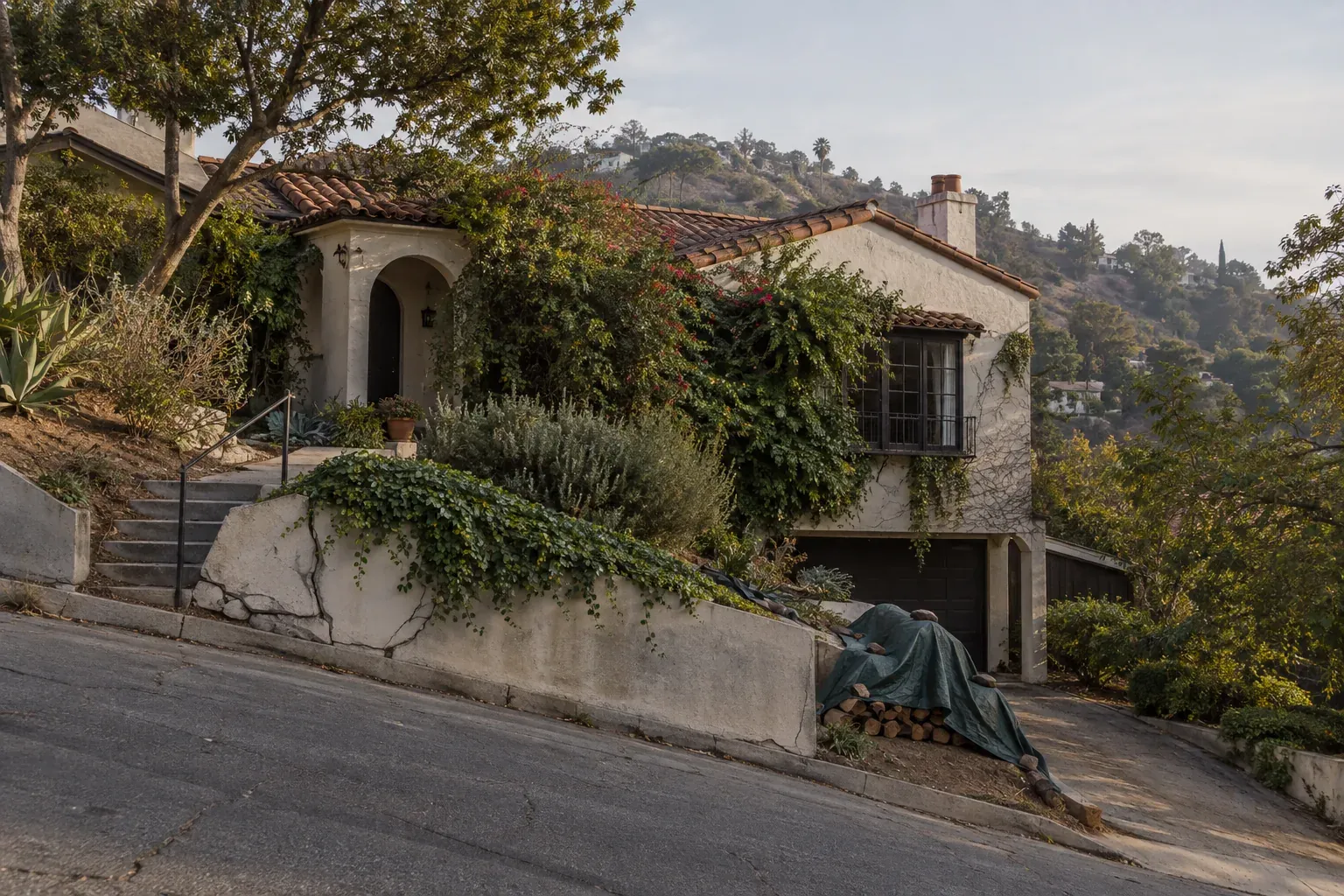
Hollywood splits into two different roofing problems: Mediterranean tile on the hillside estates above Franklin Avenue, and low-slope membrane on the dense apartment stock that covers most of the flats.
What's happening with your Hollywood roof?
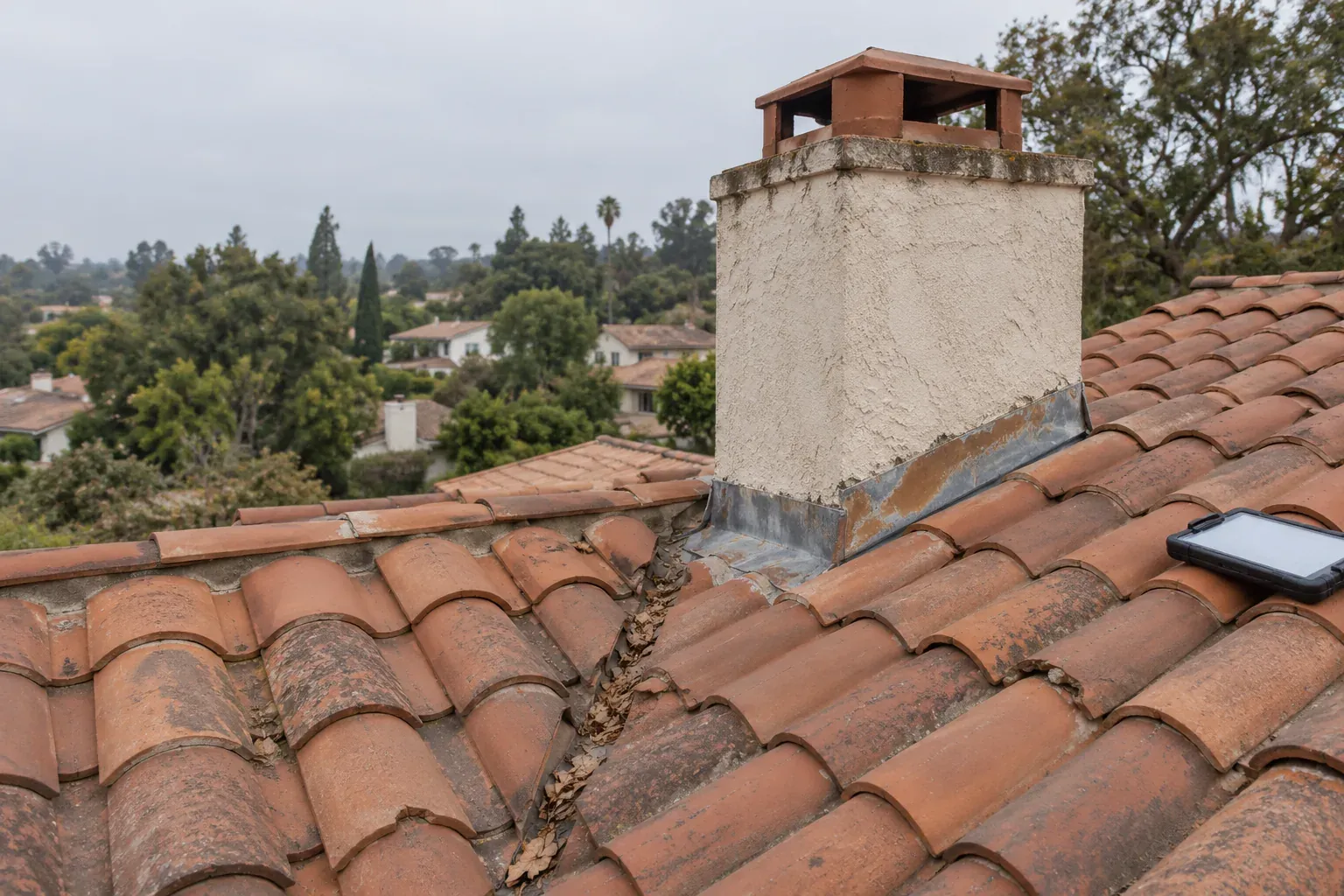
Hollywood's zip codes, 90028, 90038 and 90068, all fall in Title 24 Climate Zone 9. A steep-slope tile or shingle reroof here is generally subject to the state's cool-roof rule for zones 4 and 8–15, and the separate low-slope rule, covering flat sections and additions, applies here too.
In practice that means a tile reroof on a Whitley Heights home and a membrane replacement on a flat-Hollywood apartment building both generally need a CRRC-rated product or a code-allowed alternative, not just whichever color the building already has.
Steep-slope tile or shingle and flat/low-slope sections both fall under the cool-roof rule here. Check the CRRC Rated Roof Products Directory before ordering material.
Climate zone by zip and cool-roof rule applicability: Cool Roof Rating Council, California Title 24 summary (2025 Energy Code; reroof values unchanged from 2022); zone mapping via SoCalREN.
Hollywood is inside the City of Los Angeles, so LADBS is the permitting authority. There's no LADBS Development Services Center physically inside Hollywood; the closest is the Metro (Downtown) center, roughly six miles away, though that's a convention rather than a published boundary assignment. It rarely matters in practice, since most straightforward reroofs qualify for LADBS's Express Permit, filed online through PermitLA with no plan check required, as long as the covering is Class A or B and weighs under 6 lb per sq ft over existing or new solid sheathing.
See our LA roofing permits guide for what LADBS requires beyond the Express Permit path, including when a full plan check applies.
The Hollywood Hills, roughly north of Franklin Avenue toward Mulholland Drive, sit inside the City's Very High Fire Hazard Severity Zone, which covers most of LA's hillside and mountainous terrain. Flat Hollywood to the south generally doesn't carry that designation. Construction in a VHFHSZ needs a Class A fire-rated roof assembly, tested to ASTM E108 or UL 790.
Hollywood's dry season runs roughly May through October with almost no rainfall, and Santa Ana wind events during that stretch push embers against hillside roofs from a distance. That combination is part of why the state re-evaluated fire hazard maps in 2025. If your property sits in or near the hillside boundary, confirm its current status on CAL FIRE's FHSZ viewer before assuming either way.
Fire hazard zones: CAL FIRE Fire Hazard Severity Zone maps (LRA update, March 2025) and LAFD. Class A requirement: CBC Chapter 7A / CRC §R337.
Whitley Heights, the hillside Mediterranean-village enclave built starting in 1918, is Hollywood's best-known Historic Preservation Overlay Zone. A reroof on a contributing property there goes through HPOZ Board or staff review for material and appearance, not just a standard LADBS permit. Hollywood also has a second, more recently designated HPOZ, Hollywood Grove, covering a separate pocket of the neighborhood under the same design-review process.
That's different from the Hollywood Boulevard Commercial and Entertainment District, added to the National Register of Historic Places in 1985. NRHP listing recognizes the area's history and can open up preservation tax credits, but it doesn't trigger the roof-material design review that an HPOZ does. If you're not sure which applies to your building, LA City Planning's HPOZ list is the source to check before assuming either way.
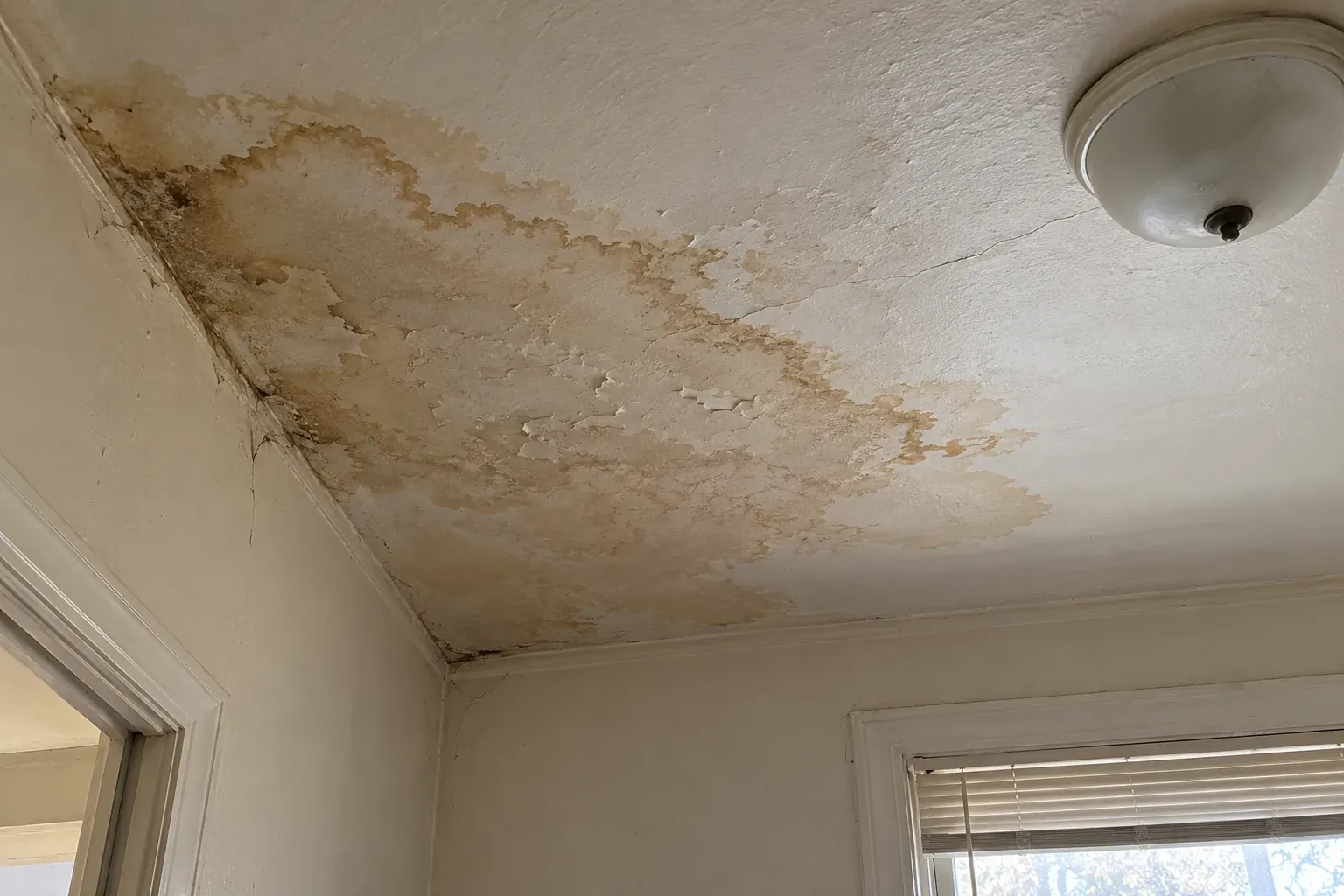
Clay and concrete tile roofing from the 1920s-30s Spanish Colonial and Mediterranean Revival wave, concentrated in Whitley Heights and the surrounding hills. The tile often outlasts the underlayment under it, so a roof that still looks original can be leaking from underneath.
Low-slope flat roofing covers most of Hollywood's dense mid-century apartment stock, where a property manager, not a single owner, usually makes the repair-versus-restore call. Ponding and worn seams are what to look for on a low-slope roof.
The remaining single-family and bungalow-court stock in flat Hollywood is mostly shingle roofing; 3-tab lasts about 20 to 30 years, so roof age is the first thing to check.
Hollywood is served by LADWP, so LADWP's Consumer Rebate Program is the one to look at for a cool roof. The Title 24 & cool roof rebate guide has the eligibility details.
Whitley Heights and the surrounding hills have narrow, winding streets that limit where a crew can stage tile pallets or park a dump trailer, which is worth factoring into scheduling and cost on a hillside reroof.
Nearby, there are pages for roofing in Los Feliz and roofing in Silver Lake, or you can browse every LA neighborhood on the list. For roofing across the rest of the city, start at Roofing Los Angeles.
LA's wet season runs roughly November through April, wettest in February. Scheduling a Hollywood reroof, hillside or flat, between May and October avoids weather delays.
Yes. Hollywood is inside the City of Los Angeles, so LADBS issues the permit. Most reroofs using a Class A or B covering under 6 lb/sq ft over existing or new solid sheathing qualify for an LADBS Express Permit, which skips plan check and can be filed online through PermitLA. There's no LADBS office inside Hollywood itself; the nearest is the Metro Downtown Development Services Center, though the online filing doesn't require visiting in person.
It depends on where in Hollywood. The hillside area north of roughly Franklin Avenue, including the neighborhoods backing onto Mulholland Drive, sits inside the City's Very High Fire Hazard Severity Zone. Flat Hollywood to the south generally doesn't. Check your specific address on CAL FIRE's FHSZ map before assuming either way.
No. Whitley Heights HPOZ, the hillside Mediterranean-village enclave built starting in 1918, is the best known, but Hollywood also has a second, more recently designated HPOZ, Hollywood Grove. Separately, the Hollywood Boulevard Commercial and Entertainment District is listed on the National Register of Historic Places, which recognizes the area's history but doesn't trigger the roof-material design review an HPOZ requires.
Clay and concrete tile on the 1920s-30s Mediterranean and Spanish Colonial Revival estates in the hills, low-slope membrane roofs on the dense mid-century apartment buildings that make up most of flat Hollywood, and composition shingle on the remaining single-family bungalow stock.
It can. Whitley Heights and the surrounding hills have narrow, winding streets that limit where a crew can park a dump trailer or stage tile pallets, which adds labor time on some properties compared to a flat-lot job. Ask any contractor bidding hillside work to walk the access route with you before pricing it.
Tell us which part of Hollywood you're in and what you're seeing.